

We all want beautiful plants and flowers to boost our mood and give us something lovely to look at when we sit in our kitchen or living room. But if you have furry family members, be sure to research the plants you pick for your flowerbeds before you plant them.
Here are twelve common plants to keep away from pets!
1. Lilies

These gorgeous flowers are popular for gardens and many special events such as weddings. But for your animals, even a tiny amount can cause severe kidney damage. Better to keep these beautiful plants at a distance.
2. Sago Palm

This palm is popular in subtropical areas and provides shade for many smaller animals. However, ingesting any part of the plant, especially the seeds and nuts, can cause everything from drooling to suppressing the central nervous system and cardiac abnormalities.
3. Azalea or Rhododendron

While beautiful, these plants contain a toxic called grayanotoxin. This poison can cause diarrhea, depression of the central nervous system, vomiting, weakness, and drooling in animals. The symptoms can even lead to coma or death due to cardiovascular collapse.
4. Oleander
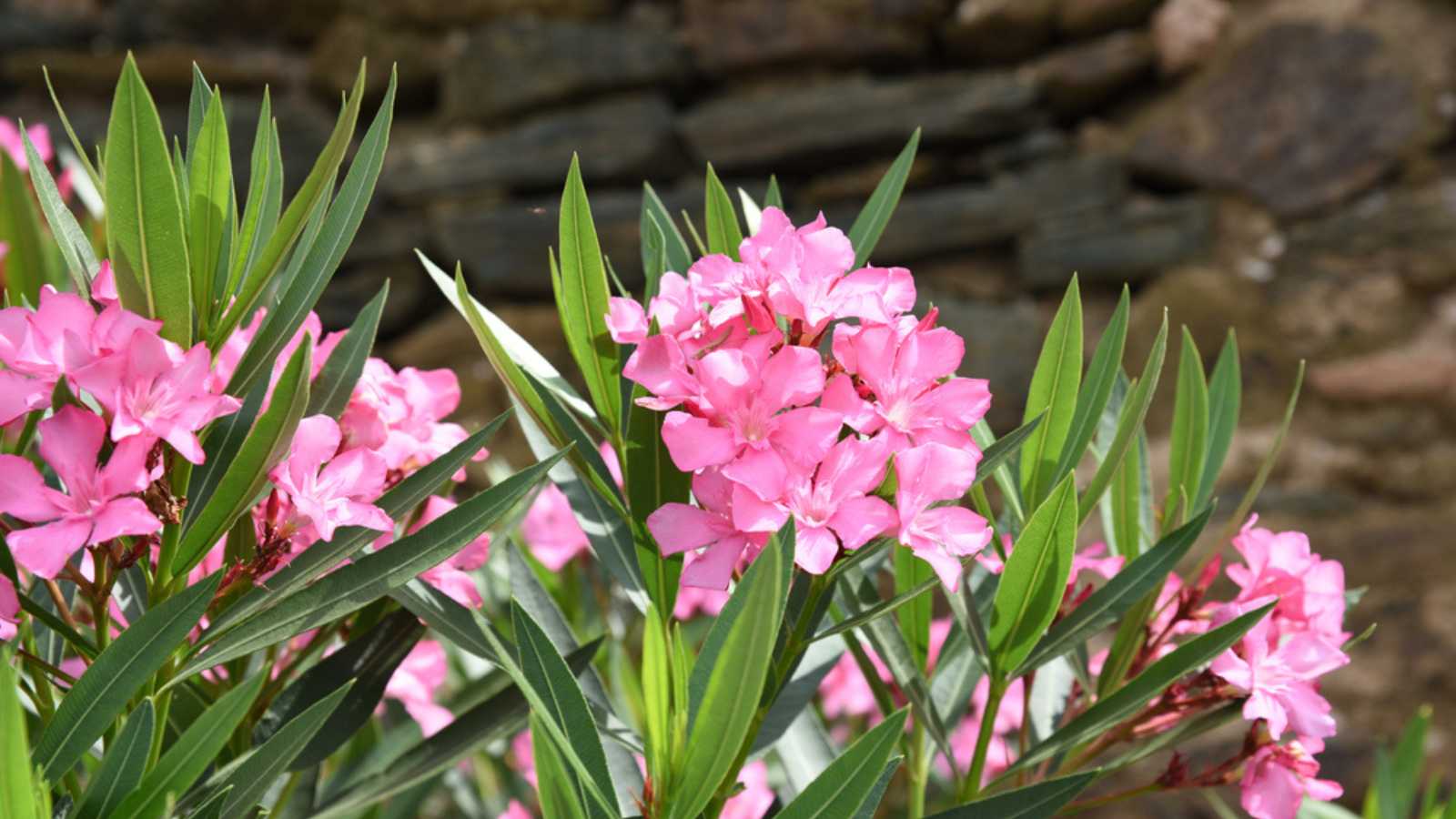
Thanks to a poison known as cardiac glycosides, this pretty flowering plant can cause serious gastrointestinal (GI) tract irritation, hypothermia, abnormal heart function, and even death.
5. Castor Bean

Ricin is the poison responsible for many bad symptoms in your pets if they ingest any part of the castor bean plant. Poisoning symptoms include severe abdominal pain, vomiting, excessive thirst, drooling, weakness, and loss of appetite. Ingestion of a large amount of poison can also cause dehydration, tremors, coma, muscle twitching, seizures, and even death.
6. Cyclamen
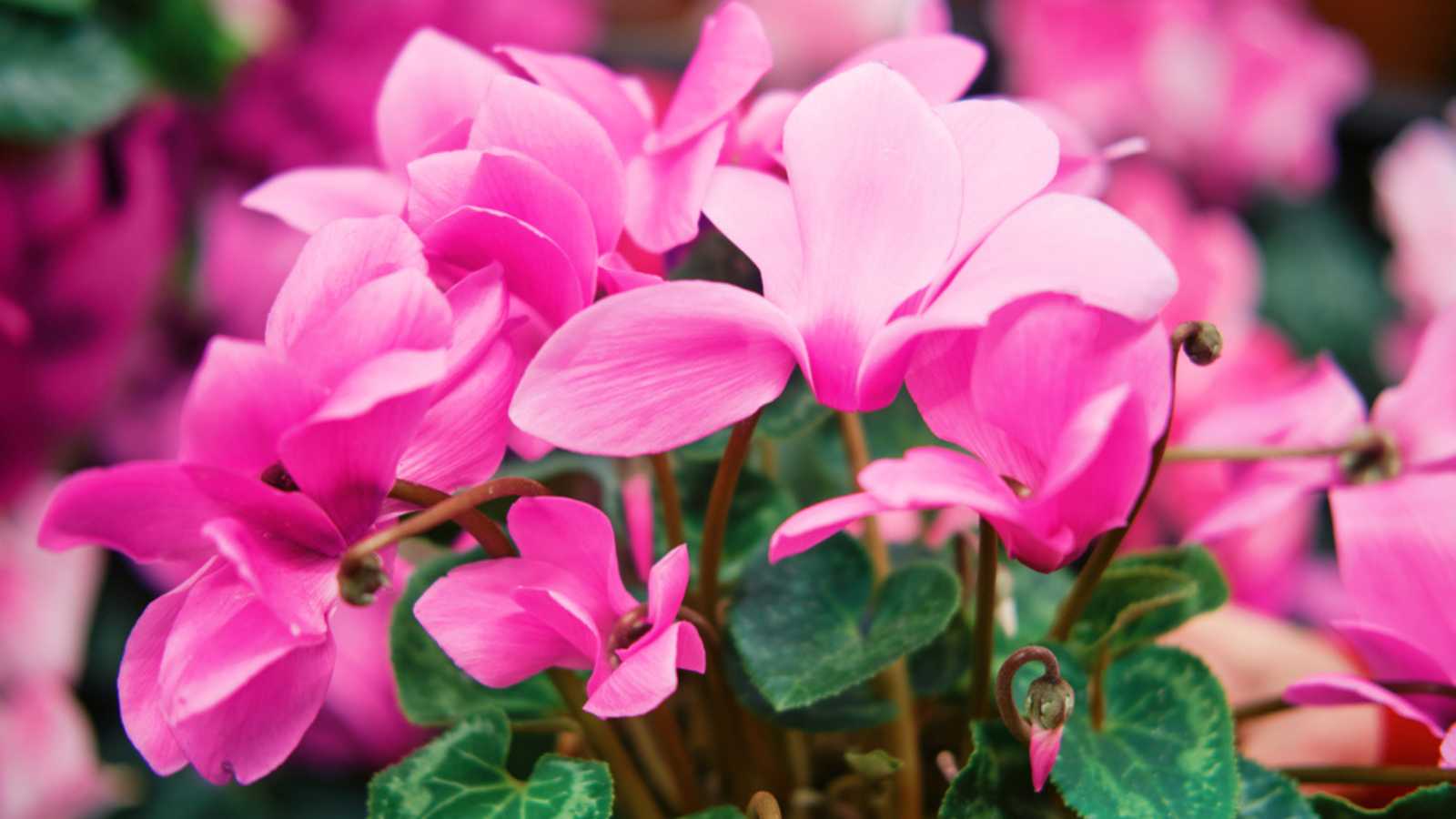
Named after the poison that can make your animals sick, Cyclamen can produce significant GI irritation and intense vomiting. Rarely even death can occur. The beautiful flowers these plants produce aren't worth the risk.
7. Kalanchoe
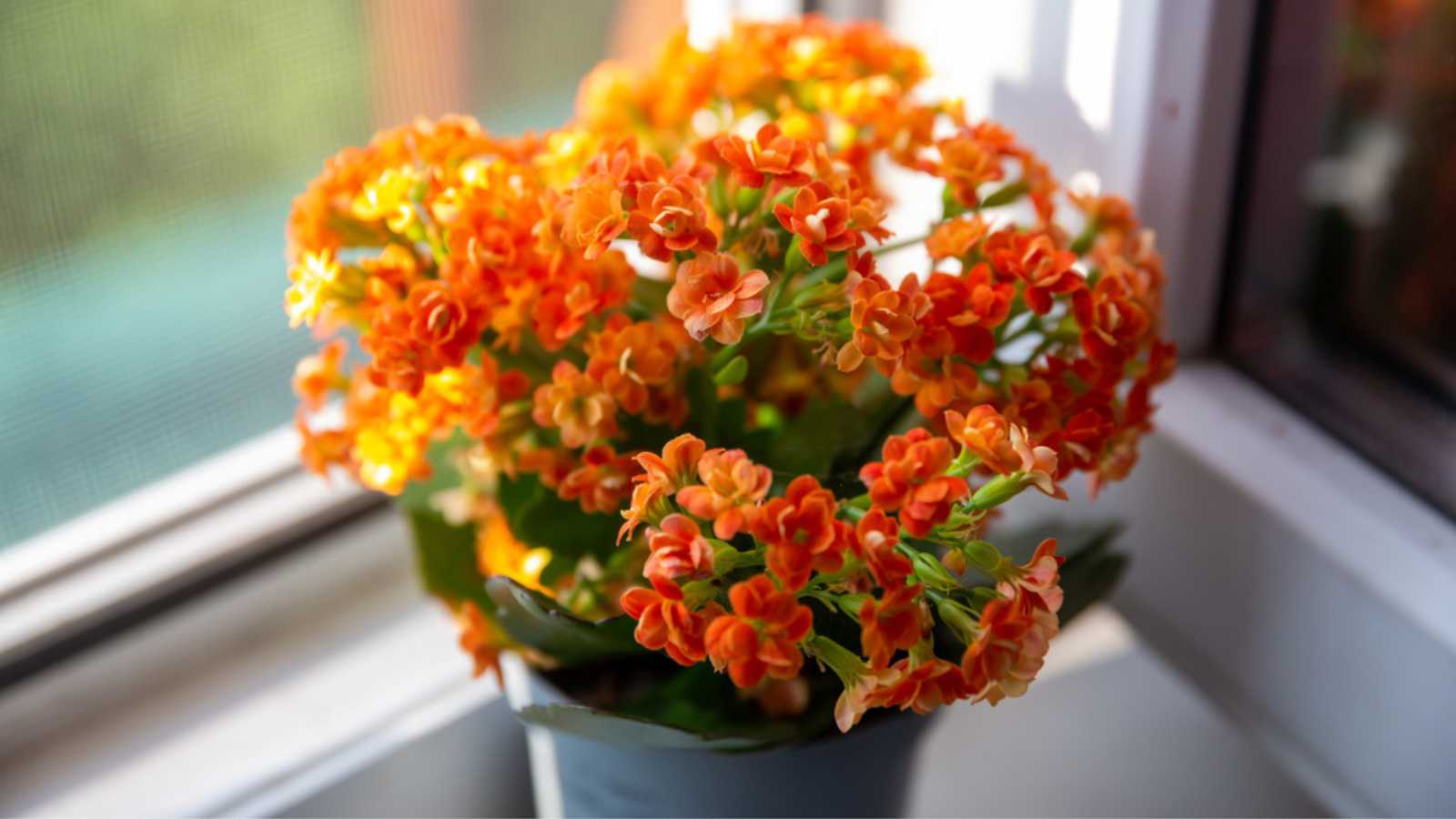
This small flowering shrub is notorious for its GI irritation and cardiac arrhythmia when ingested by animals. Keep your furry friends away from this one! Not only are they toxic, but they propagate so easily that they can take over your garden if you're not careful.
8. Yew
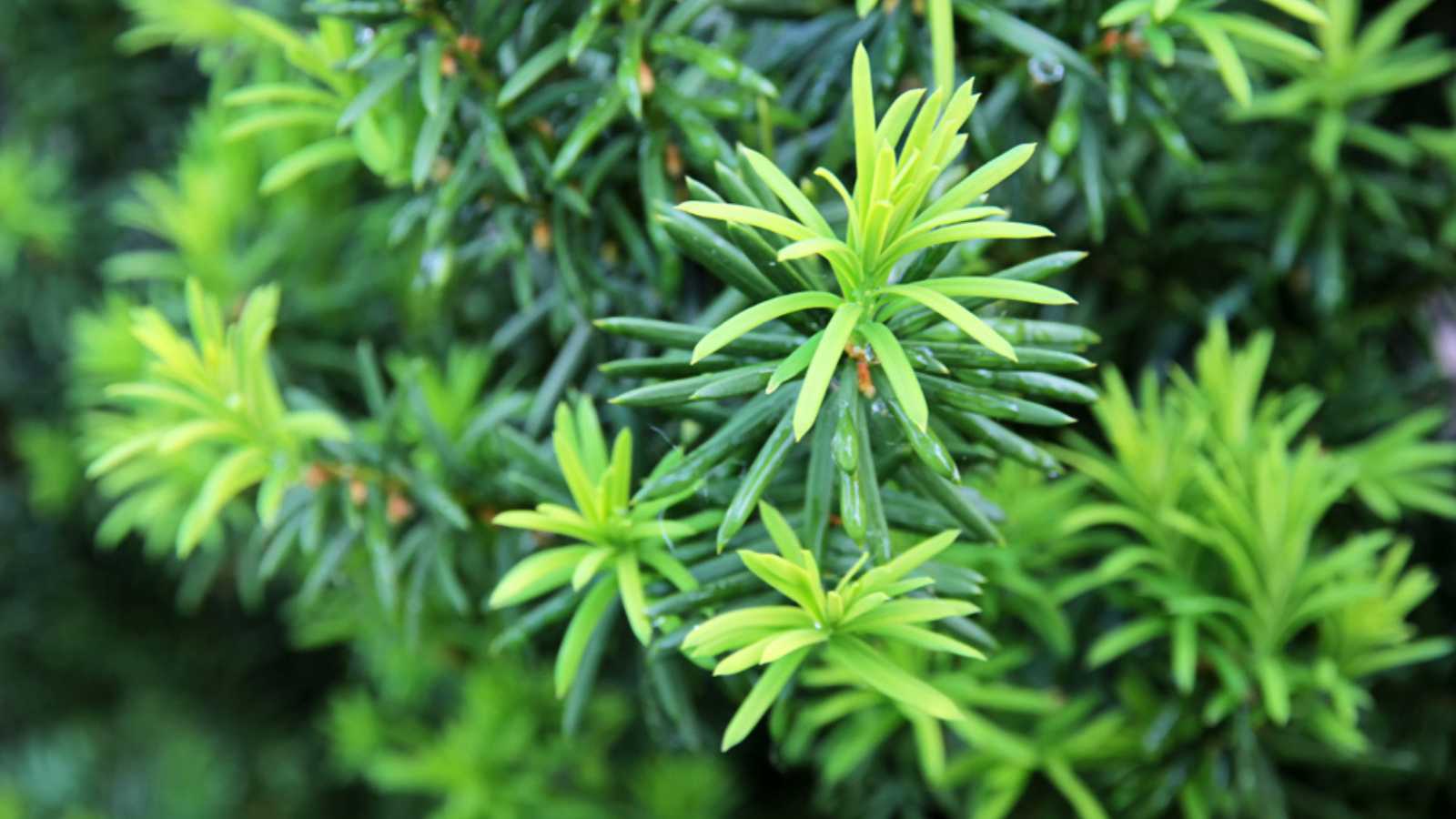
Taxine is a toxin that can cause breathing and coordination problems, GI irritation, and even heart failure. Adding these complications together dramatically increases the chance that your pet could die, so avoid planting these evergreens.
9. Amaryllis

Popular around Easter, this plant contains a toxin that can cause depression, abdominal pain, anorexia, vomiting, and tremors in your furry friends. Be sure to safely discard the entire plant should you find any in areas where animals roam.
10. Autumn Crocus
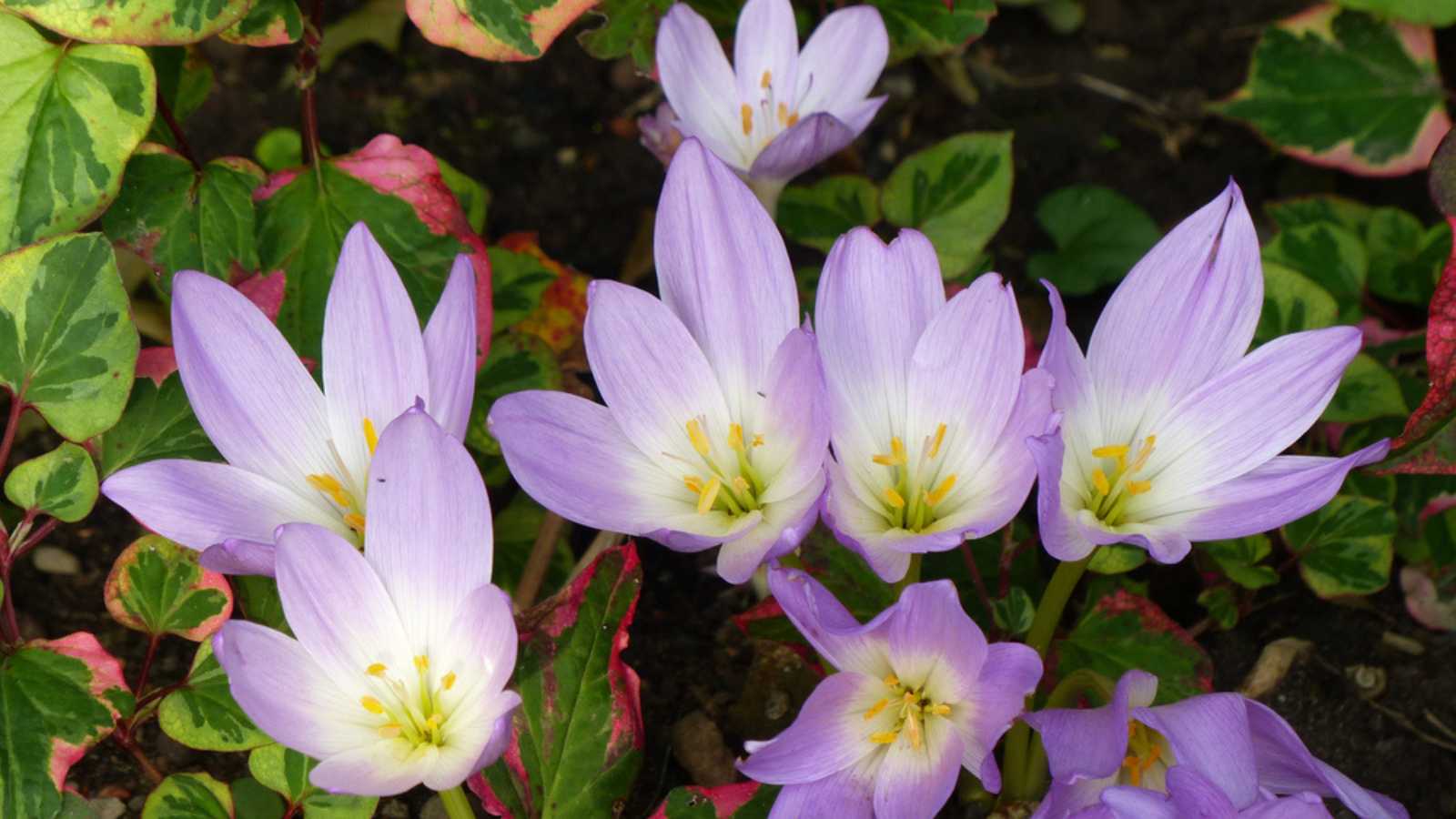
This beautiful plant is highly toxic to animals and can easily cause oral irritation, diarrhea, multi-organ damage, bloody vomiting, shock, and bone marrow suppression. While gorgeous, this plant is nasty to animals, and you should never plant it where domesticated animals live.
11. Chrysanthemum

High in a toxin called pyrethrins, chrysanthemums can cause GI upset, including vomiting, diarrhea, and drooling. In some cases, if consumed in large enough quantities, loss of coordination and depression may also develop.
12. English Ivy
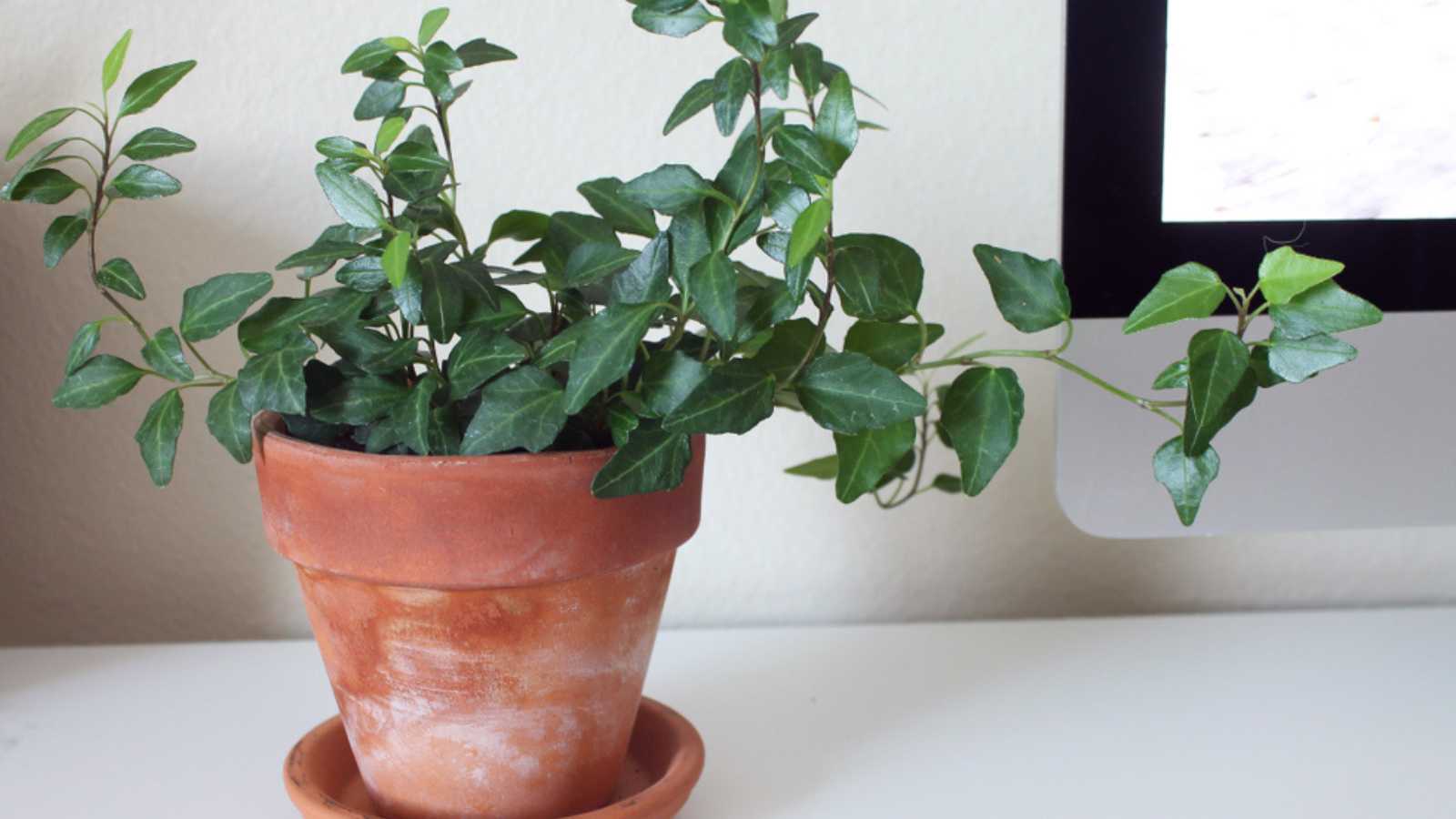
This plant is hazardous, known by several names, including branching ivy, needlepoint ivy, California ivy, sweetheart ivy, and glacier ivy. If ingested by animals, this plant can result in abdominal pain, diarrhea, vomiting, and hypersalivation.
Source: Depth World.
12 Things You Can Borrow at Libraries That Aren't Books

We're all used to checking out books, videos, and CDs at the local library. But how about a ukulele? Or a cake pan? Check out this amazing list of treasures you might be able to borrow, right your own library!
12 Crazy Brownie Recipes That Are Absolutely Amazing

Why settle for everyday brownies when you can go wild? These unique brownie recipes are both delectable and do-able. Give one a try this weekend!




Comments
No Comments