

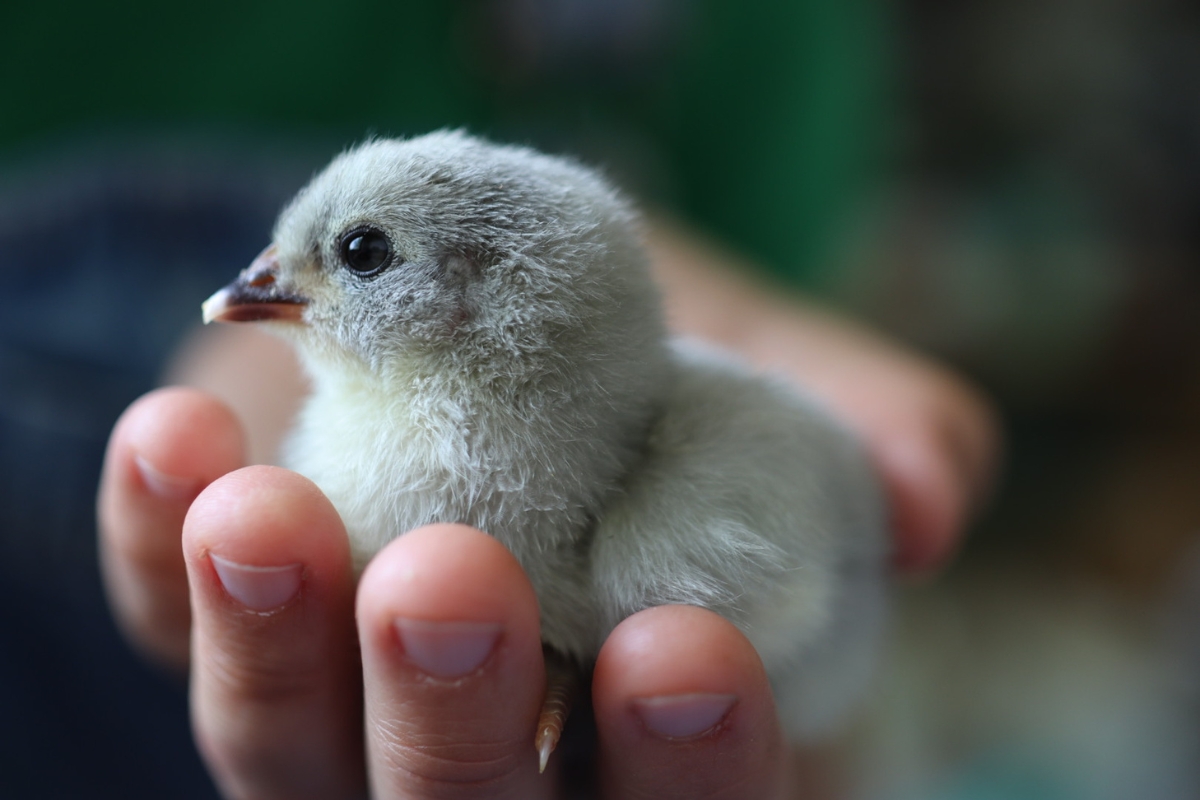
If you're interested in buying day-old chicks, ducklings, or any other young poultry or waterfowl, you may have come across the term "straight run". For anyone who hasn't grown up buying or selling young farm critters, this may be unfamiliar wording.
The term might be hyphenated (straight-run) or not, and either wording is considered correct. Both ways, it carries the same meaning.
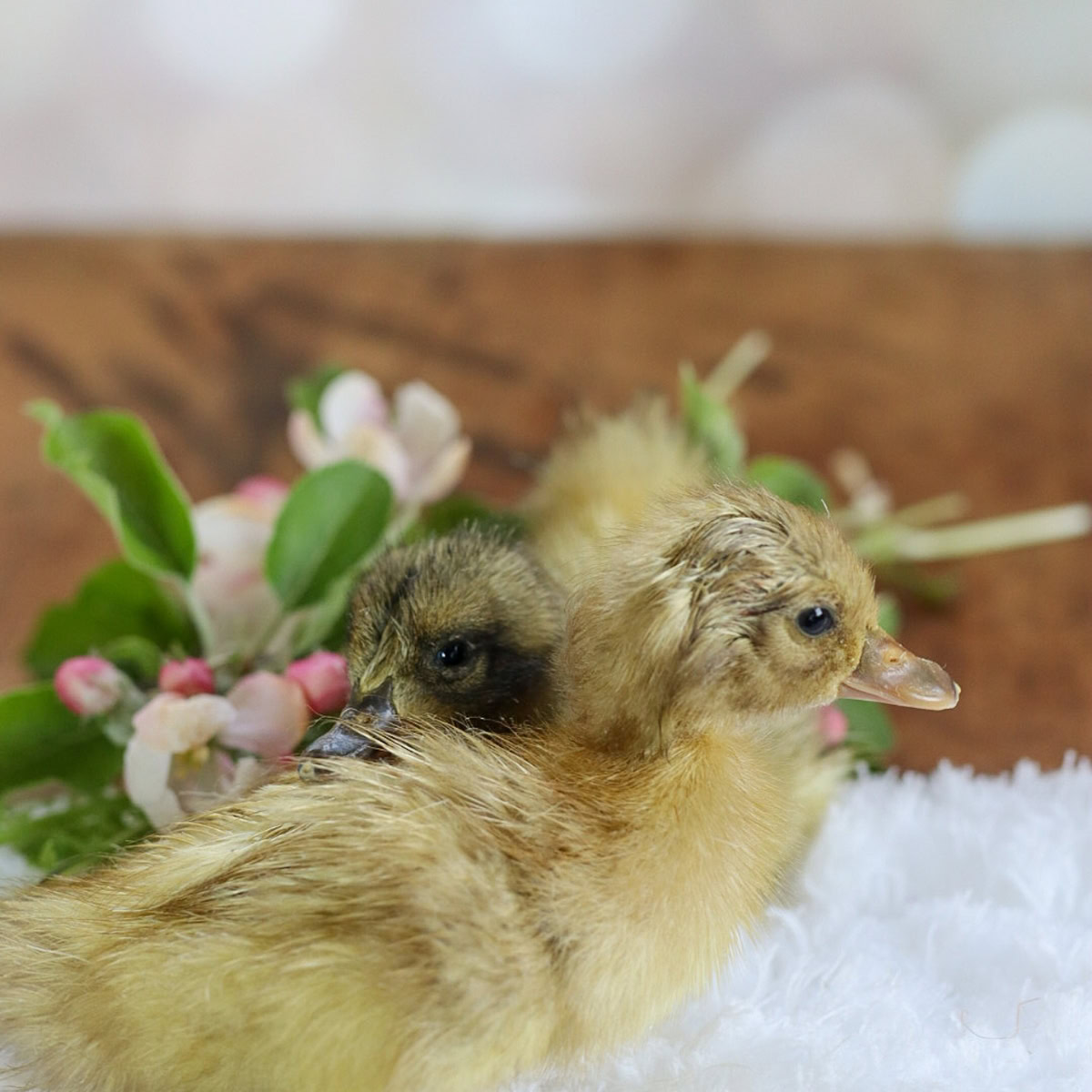
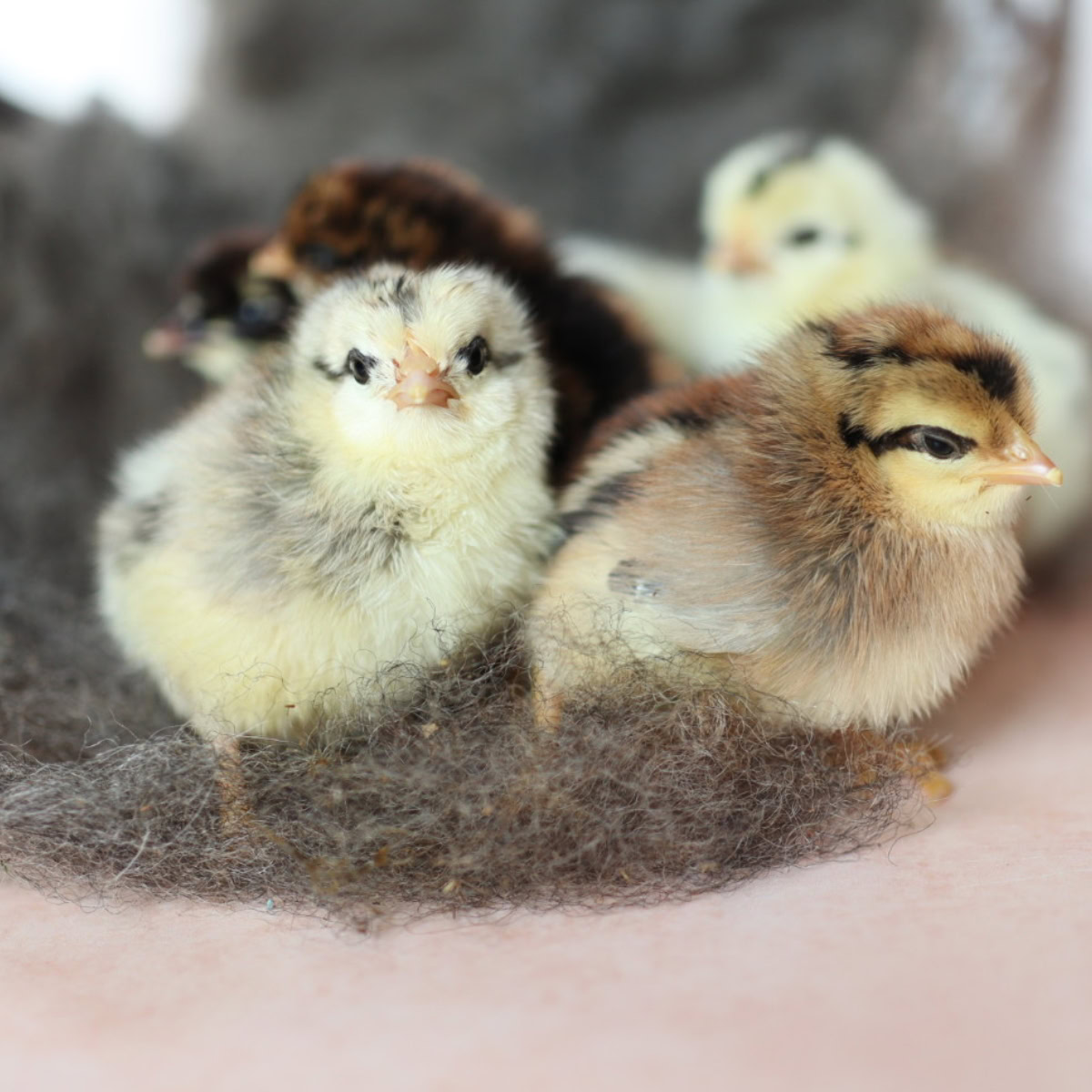
"Straight run" refers to young animals, usually poultry or waterfowl, that have not been separated by gender.
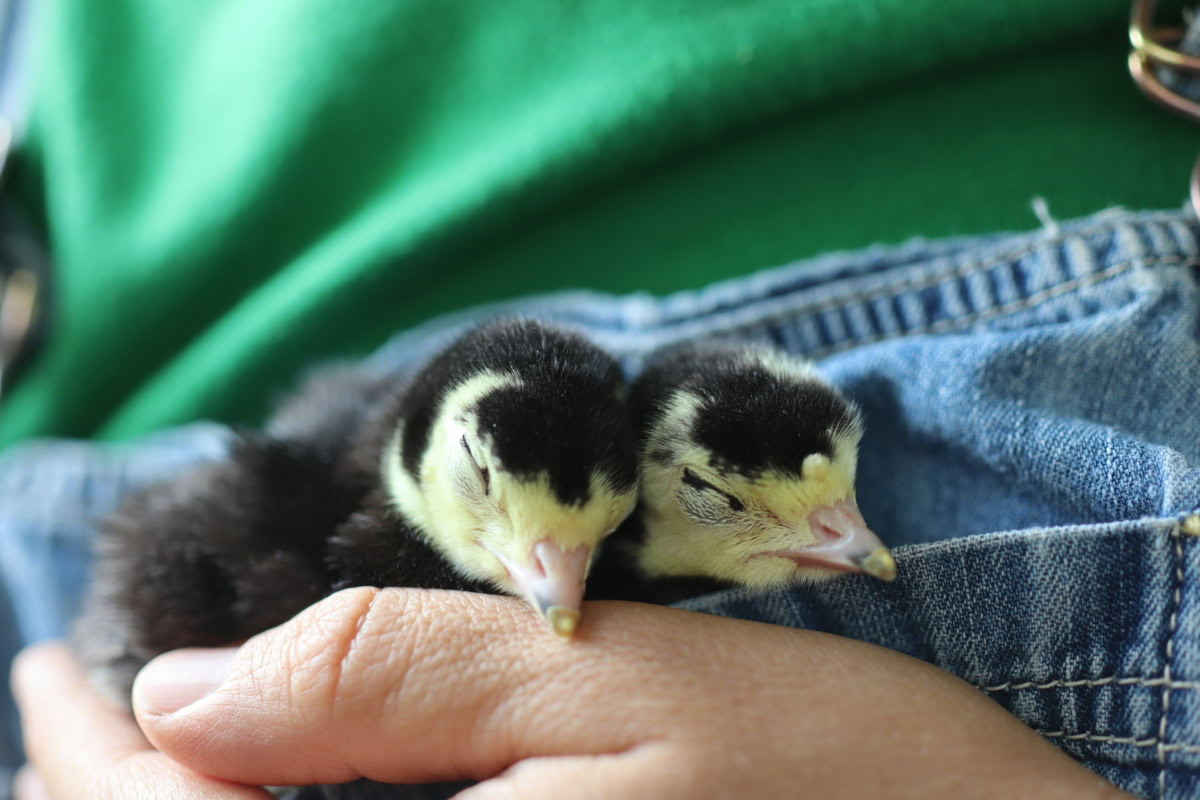
This means that when you purchase straight run chicks, you should expect a mix of males and females, usually about half of each.
Since only females (pullets) grow up to lay eggs, and even a breeding flock doesn't require many males, female chicks are generally in greater demand that males. Because of this, it's not unusual to see straight run poultry being sold at a much lower cost per-chick than those that are guaranteed to be all pullets.
Buying straight run poultry
If you're buying straight run poultry, there are few things to keep in mind. While nature generally gives approximately a 50/50 balance between the genders, it's not unusual to have a hatch with 60% or more of one gender. This is absolutely natural, and doesn't mean the person selling the chicks was "foisting off males" onto you, an innocent customer.
Because it's entirely possible that you may end up with only 3 female chicks out of every ten you buy, be sure to purchase enough chicks that you'll have as many layers as you need, even if the gender percentage doesn't fall in your favor.
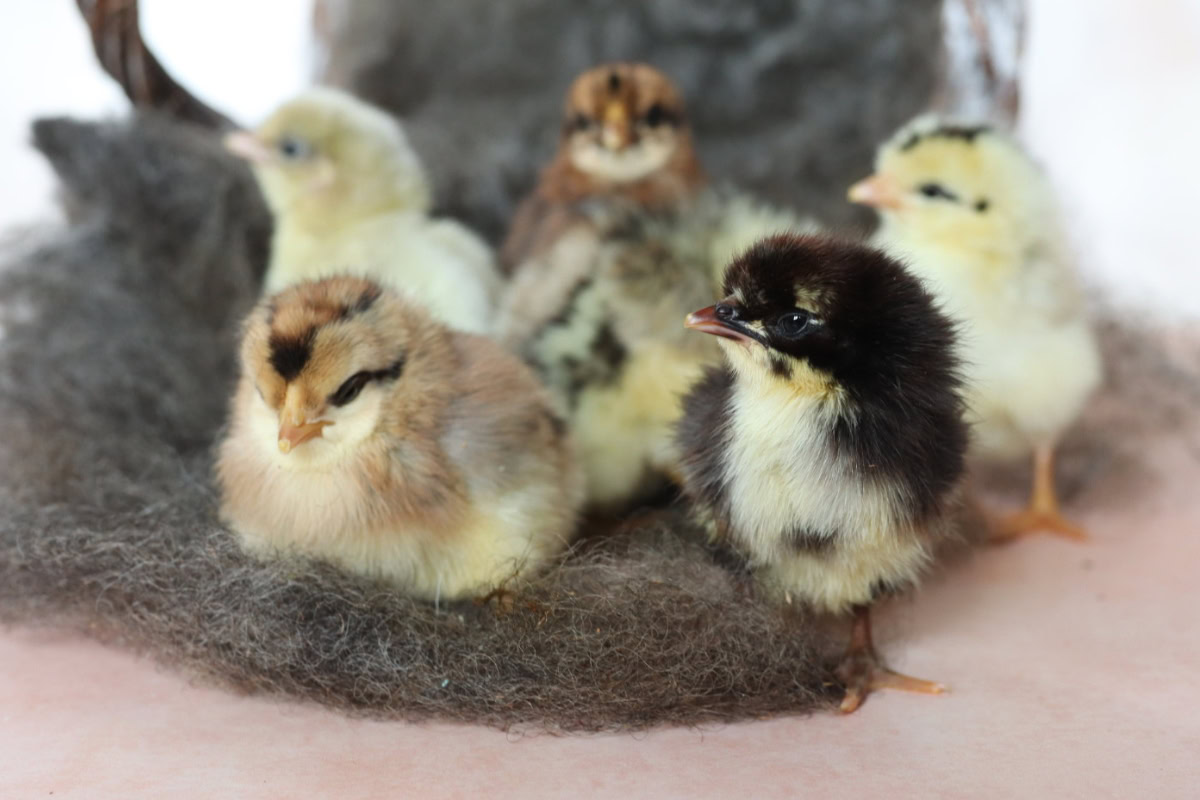
When buying straight run poultry, you're taking a gamble that more than half of your chicks might be young cockerels (males), so it's important to have a plan for what you're going to do with those extra young roosters, or drakes if you're raising ducks.
Getting rid of young roosters can be harder than you might think. Every fall, there are a spate of posts on the Facebook local homesteading groups from people looking to re-home their extra roosters. Usually these posts linger for weeks, with few takers.
Sometimes, local hatcheries offer a "rooster take-back" day in the fall, where people can drop off their unwanted extra roosters, free of charge. These roosters are generally processed either for the table, or as dog food, so do be aware of the likely outcome.
However you choose to handle it, it's wise to purchase straight run chicks knowing that the issue of extra roosters is one you'll need to be willing to handle, when the time comes.
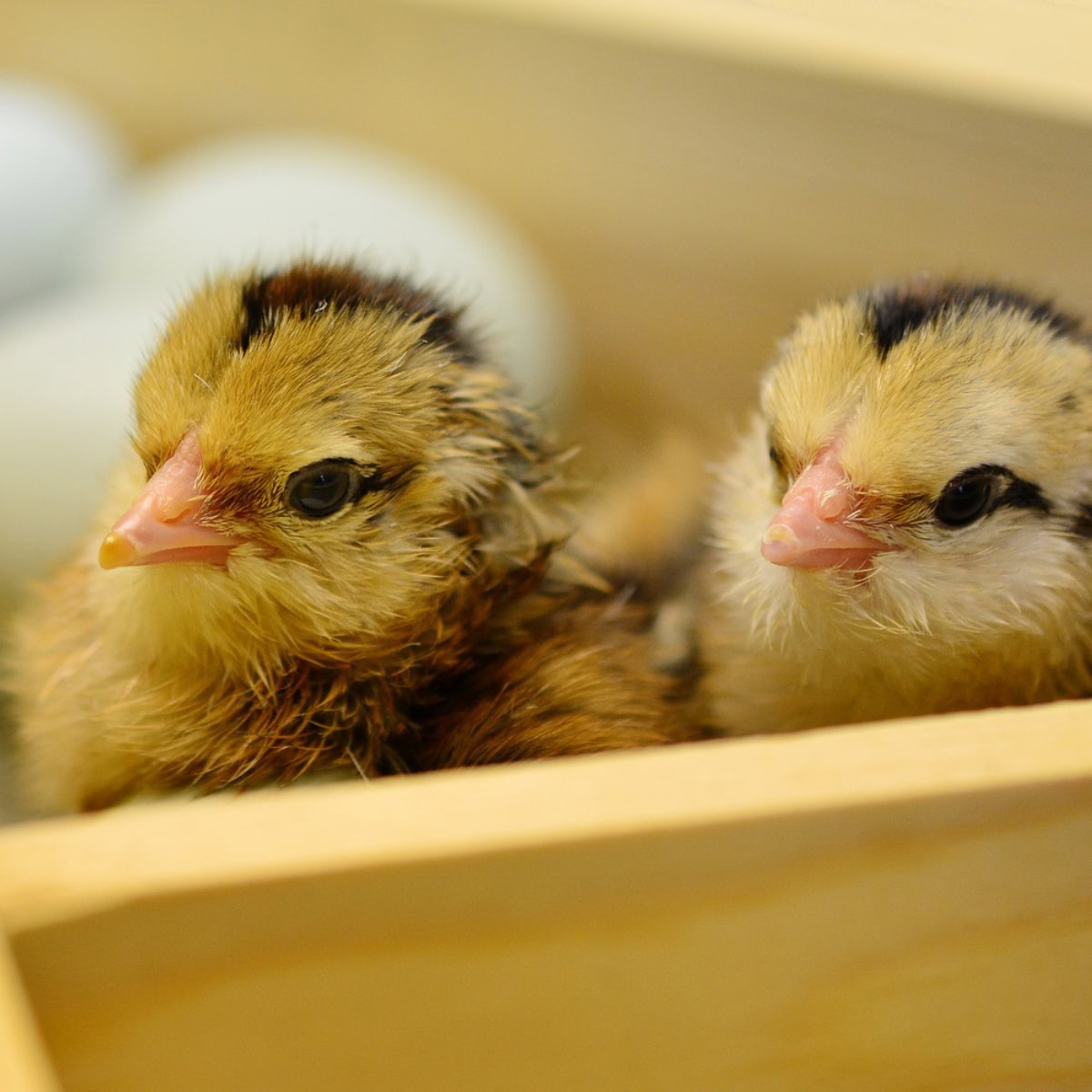
Is it ever ok to complain about the number of cockerels in a straight run lot of chicks?
This is a matter of debate, but I do think it's absolutely ok to reach out to the seller, if you end up with more than 70% males. Anything less than 70%, is really a gamble that you take. No hatch is guaranteed to have an even split of 50/50 pullets and cockerels.
No seller wants their buyers to have a bad experience. So in the small chance that you do end up with virtually all cockerels, most sellers are going to be so glad you contacted them, rather than stewing about it without giving them the chance to make it right. Definitely go into it with kindness, and chances are, the seller will do the same.
If you're discovering that you've got an unusually high percentage of young cockerels (more than 70%), it's worth reaching out. To put this another way, if you've bought straight-run poultry, and ended up with FEWER than three out of ten chicks being female, that's when I'd be reaching out.
Chances are, the seller won't take back the unwanted cockerels, but they might have an extra pullet they can give you free of charge, or a few extra chicks from a later hatch, or even a small partial refund. They're likely to do something to make it right, since even with straight run poultry it's pretty usual to get at least three pullets out of a batch of ten chicks.
Selling straight run poultry
From a seller's point of view, selling straight run poultry definitely can be much less hassle than selling sexed chicks or ducklings, unless you're happy to end up with extra males to raise out for your own table. (I have an article about doing this with ducks, and how that worked well for me.)
As a seller, it's worth being prepared for how you're going to answer when folks ask you to make an exception for them, and just sell a few pullets. (Absolutely everyone who sells day-old chicks is going to get questions like this, I promise you!)
It's also worth having a written policy that you disclose at the time of sale, clearly laying out whether you have an option to return unwanted roosters, and whether you guarantee a certain percentage of female chicks (25 or 30% is a fairly common policy.) As part of that policy, it's helpful to lay out what proof (if any) you'll require, like a photo of the grown chicks.
It also helps to have it clearly written how you'll handle it, if someone does receive nearly all males. This might be a refund for each chick over the guaranteed percentage, or providing pullets or hens to make up the guaranteed percentage of females.
Whatever policy you land on, put it in writing, and stick to it.
There are some sellers who choose not to engage with buyers that end up with a high percentage of male chicks, insisting they can't control nature and that ending up with all males is part of the gamble when purchasing straight run. While it is a gamble, and the seller may have done their best to evenly distribute the chicks at hatch time, this approach usually backfires.
Homesteading communities tend to be quite tight-knit, and sellers quickly gain reputations of being either "the absolute best" to work with, or someone to avoid. You don't want to get pegged as the latter. Having a reasonable policy and sicking to it, is a good way to establish a reputation as a fair and reputable seller.
Straight run can be a win, if you're prepared
Buying straight run day-old poultry can be a way to save money. It's also often the only way to purchase exhibition-quality chicks and ducklings, since these usually come from breeders that have long wait lists, and they definitely aren't fussing with sexing their day-old chicks.
When ordering straight run, be prepared for nature's unpredictability by ordering plenty of chicks to ensure you'll have enough pullets, and make sure you've got a plan for the inevitable excess of young roosters. Keeping those two important things in mind will help make buying straight run chicks a positive experience. You never know, you might even end up with more pullets that you bargained for!
Some other articles you might enjoy:
- How Long Do Ducklings Take To Hatch?
- 10 Great Ways to Use Extra Eggs
- Garden-Ready Chicken Manure Compost in 18 Days
- How to Care For a Broody Goose
- Is It Safe to House Geese With Chickens?
- Hatching Turkey Eggs
- How Hardy Are Geese?
- Raising Extra Drakes for Meat
- Printable Egg Incubation Chart For Hatching With Kids
- Homesteading Tasks I Do in March
- How To Hatch Goose Eggs
- How Long Does it Take For Duck Eggs to Hatch?



Anna Chesley
Anna Chesley is a freelance writer living a homestead lifestyle, with a special love for family travel, old books, vintage skills, and seaside living. In addition to founding Salt In My Coffee, she runs the website, New England Family Life, as well as The 1800's Housewife, a website devoted to re-creating authentic 1800's recipes.

Comments
No Comments