

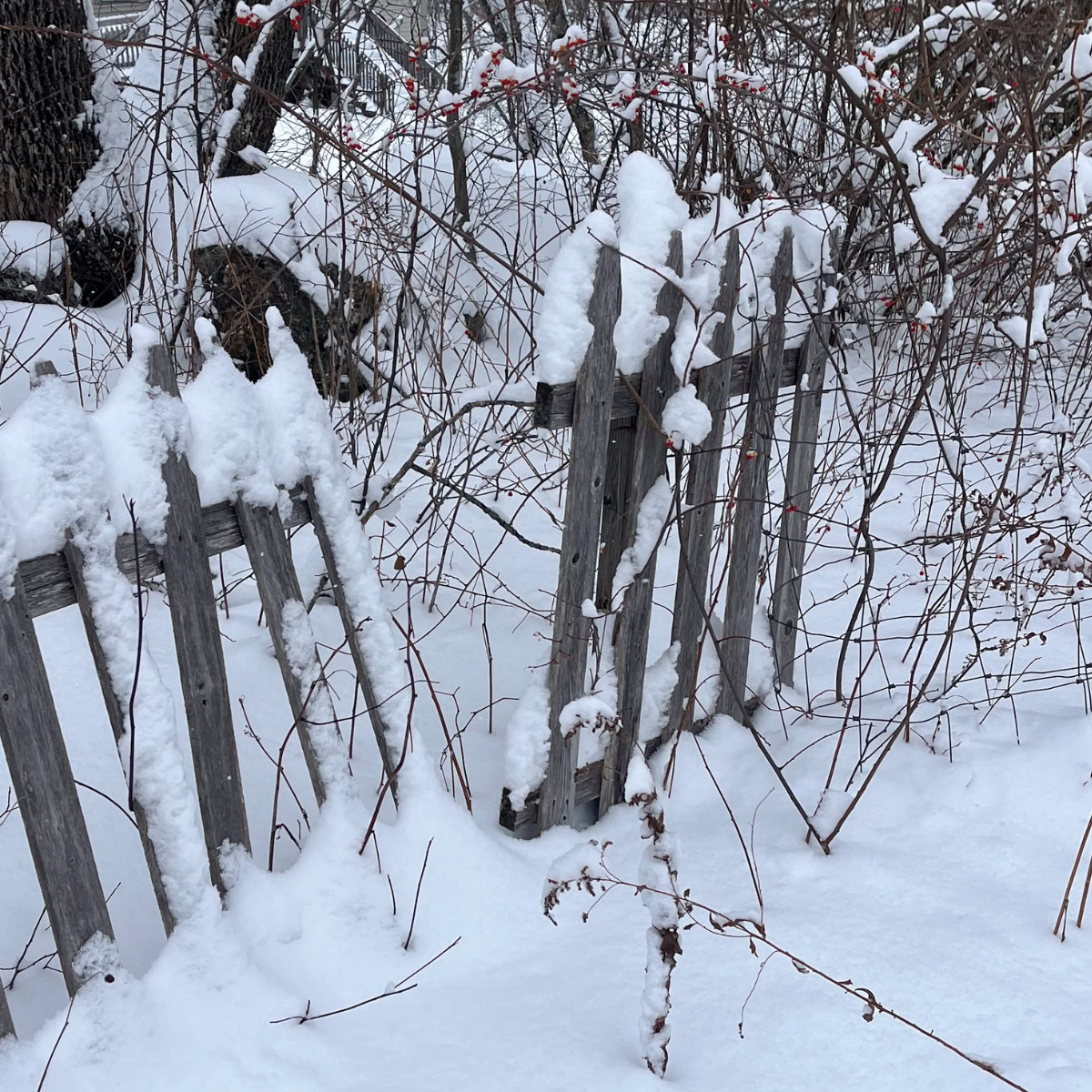
It's been a strange winter here, in the Maine foothills. A frigid start to December has been followed by a rollercoaster of temperatures, including some days in the high 40s. It doesn't quite feel like January is "supposed" to.
A neighbor was saying the other day that even the birds seem to be twittering, "let's just skip the rest of winter, and go straight to April."
In my own heart, I feel ready for April too. I lost much of the gardening season last summer because of complications from surgery, and I'm SO ready to get my hands in the dirt again.
It wouldn't be a very successful gardening and food preservation season in summer though, without all the prep work I do in the winter months. Many people new to the homesteading lifestyle think of January as a quiet "down" time, with few homestead tasks beyond the usual barn chores. As I was telling my neighbor, January can actually be a very full season for a homesteader, especially those who grow and put up their own fruits and vegetables.
Here's a quick list of some of the homesteading tasks I generally do in January. If you're feeling the "spring itch" and just need to DO something, maybe tackling a few of these can help make summer feel not so far away!

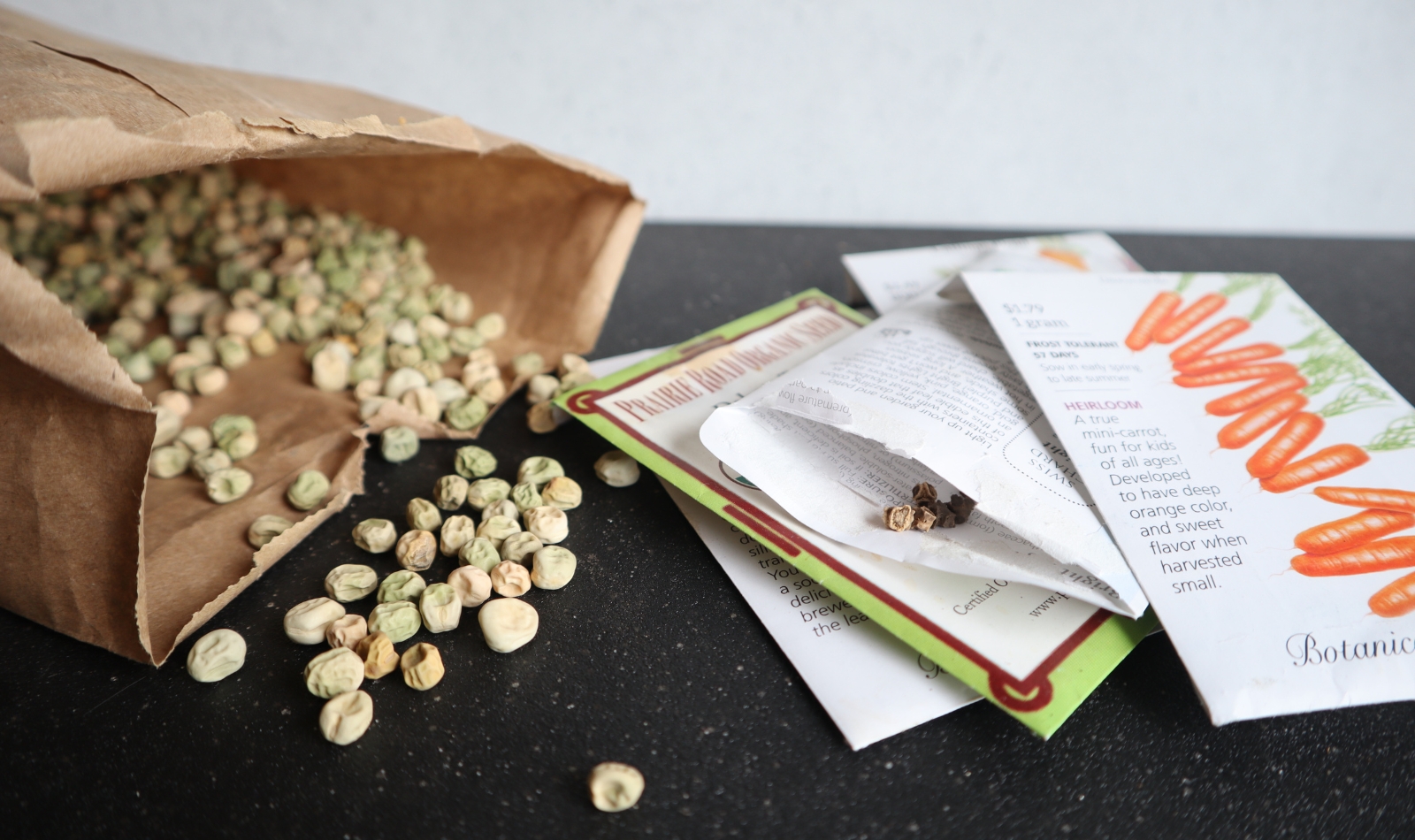
Take an inventory of my seed stash
This is where I like to start, even before I plan my gardens for next year. If I've already got plenty of tomato seeds, I'm not going to go too crazy letting myself order all the types that catch my eye in the Fedco catalog. I'll choose one new variety to trial, and will generally work with what I have.
Here's a huge caveat to that, though. I'm not going to grow varieties that my family and I don't enjoy, or that consistently haven't done well for me here. There's no virtue in using up the remaining half of a seed packet, even if they were splurgy $9 seeds that you really had to think about before you ordered. If you don't love that variety, the time and garden space you'd devote to using up $4.50 worth of expensive seeds are worth infinitely more. Grow what you love.
Here's how I organize my garden seeds.
Take inventory of food storage
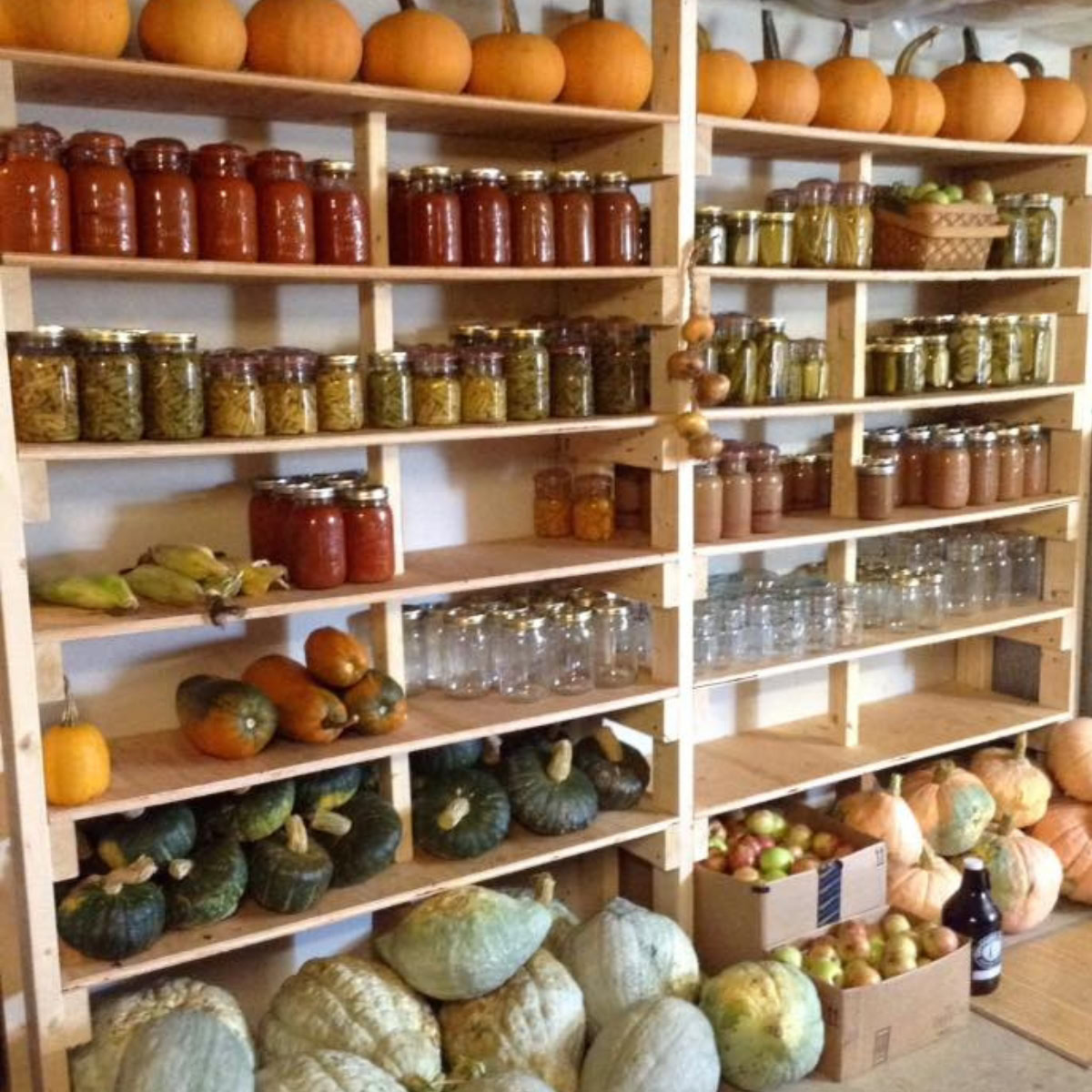
This isn't just a January task, this is something anyone who puts up their own food is going to be doing about once a month, all winter long. You'll check your potatoes, onions, apples, and any other storage vegetables for signs of getting soft, or spoiling. Check canned food for any signs of discoloration, or failed seals. Even the freezer should get checked to make sure the oldest frozen meats and vegetables are within easy reach and getting used up before their quality starts to deteriorate.
This is also a great chance to see how much you're actually going through, of the foods you put up last year. This can help inform your garden planning. If you're still drowning in pickles but have nearly run out of tomato sauce, you might allocate more garden space to tomatoes this summer, and less to cucumbers.

Plan this year's gardens
This is probably my favorite January homestead task. I've got a decade worth of old garden plans for this property now, and it's kind of fun seeing how my goals and ambitions have changed from year to year.
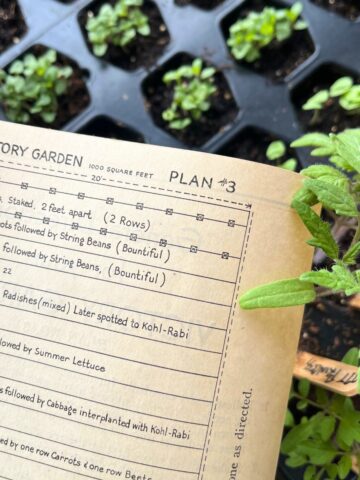
One of my favorites was the year I based my whole 4,000 square foot garden on this old WWII Victory Garden design.
As time goes on, I've been adding raised garden beds, and leaning toward more whimsical elements rather than just subsistence style pragmatism. I'm thinking that this year I'm going to embrace a Peter Rabbit theme, and even have a tiny old felted-up blue coat for the scarecrow. I missed gardening so much last summer, I really want to enjoy it to the max this year!
Order seeds
This is something I try to do after planning my garden. While the garden plans stay pretty flexible right up until the seeds are in the ground, having a plan helps make sure I'm ordering enough of some seed types, and not ordering more than I have room for, with others. For example, if I went with my instincts, I'd never order enough green bean seeds, even though my family goes through a huge amount of canned green beans each year. It takes sitting down and thinking it through to make sure I'm ordering enough. I just don't find the green bean section of the seed catalogs as compelling as the tomatoes and winter squashes, for example. On the flip side, I have a constant itch to order way more types of tomatoes, pumpkins, and winter squashes, than I can grow or my family can eat.
These are my must-have varieties of tomato, by the way.
Ordering early is a virtue. By the second week of January, many seed companies are already swamped, and some low-stock varieties may sell out. Additionally, if you're planting seeds that take a long time to grow, like onions, you'll want those seeds on hand pretty soon.
These are my favorite seed companies to order from.
Order fruit trees, scion wood, and root stock
While I'm ordering, if I need any new fruit trees, now's the the time, if I haven't already. Fedco is the best place to get bare-root fruit trees, in my opinion. If you live in a southern climate, you may find a better selection of low-chill fruit tree cultivars from other suppliers, but for northern climates, it's really hard to beat Fedco.
If you need root stock for grafting trees, here's a list of suppliers.
Order seed potatoes, and onion sets
If you need onion sets or seed potatoes, now is a good time to place your order for those, if you want specific varieties. I have a great farm supply store in town, and this year I'm keeping my potato and onion growing pretty simple, so I'll get my onion sets and seed potatoes there in April.
Order grapevine cuttings
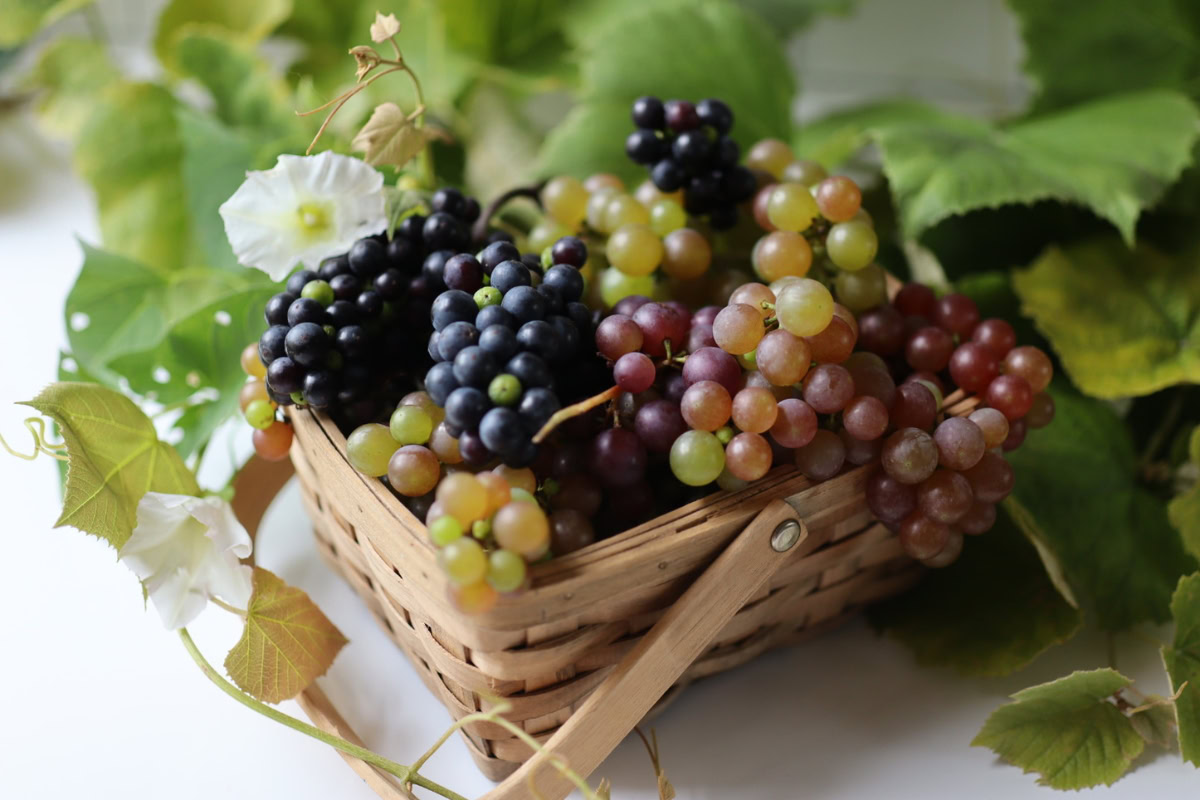
Now is the right time to place your order for any grapevine cutting that you'll want to start, for spring planting.
This is my favorite place to order grapevine cuttings. I've ordered from them several times, and will again this year, as I increase my collection of grapevine varieties.
Here's how to start grapevines from cuttings. It's simple, and so cost-effective.
Start the slowest-growing seedlings for spring planting
Most seeds shouldn't get started indoors for another month or two. If you start your tomato seeds now, they're going to be overgrown, root-bound and desperate for planting, by the time it's warm enough to get them in the ground.
There are a few seeds you can go ahead and start now, though. Anything in the onion family pretty much falls into this category. Onions, shallots, leeks, and even any garlic that you might be growing from seed, should get planted about now.
There are also some flower varieties that take an especially long time to grow, and it's not too early to start those. Lavender, pansies, petunias, lobelia, and lisianthus are all flower seeds that I've started indoors in January, and been grateful for the head start.
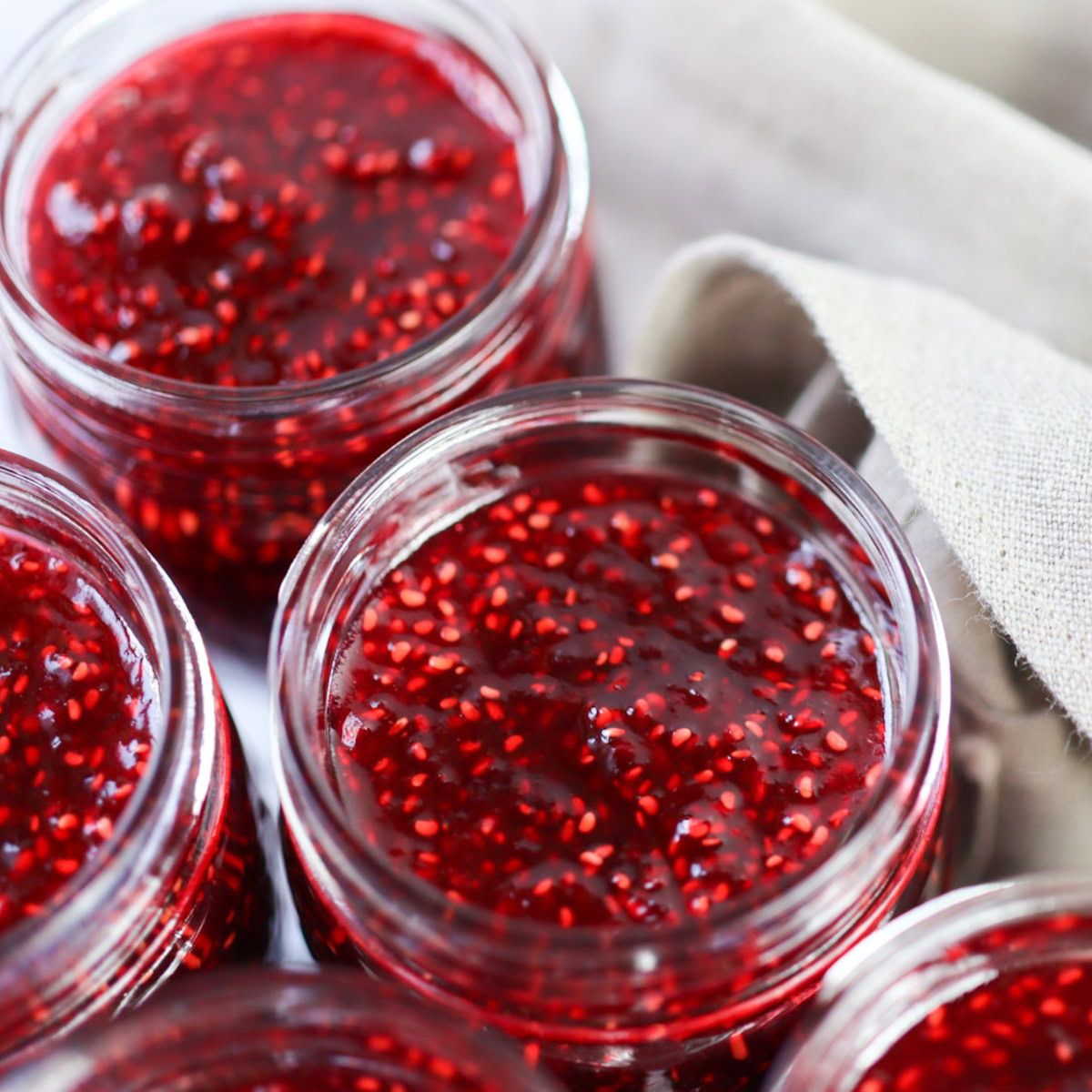
Take inventory of canning jars and order if needed
This is going to seem like a crazy time of year to be ordering your canning supplies, but it's generally the cheapest time to get canning jars in bulk. If you watch prices at all, you may have noticed that the price of mason jars tends to actually jump up in the summer, as demand surges. This seemed especially true in 2020, and again in 2025, but even in a "normal" year, the price can swing quite a bit. This is a great time of year to make sure you've got everything you need all squirreled away, so you're not scrambling for enough jars to put up that bumper crop of beans in July.
Take scion wood cuttings from fruit trees
If you have fruit trees you want to propagate, or want to share with others, now is the perfect time to get out there and take cuttings for grafting. This year I'm making sure to get cuttings from my Oxford Black and Gravenstein trees, both to start a couple more trees for myself, and to share with friends.
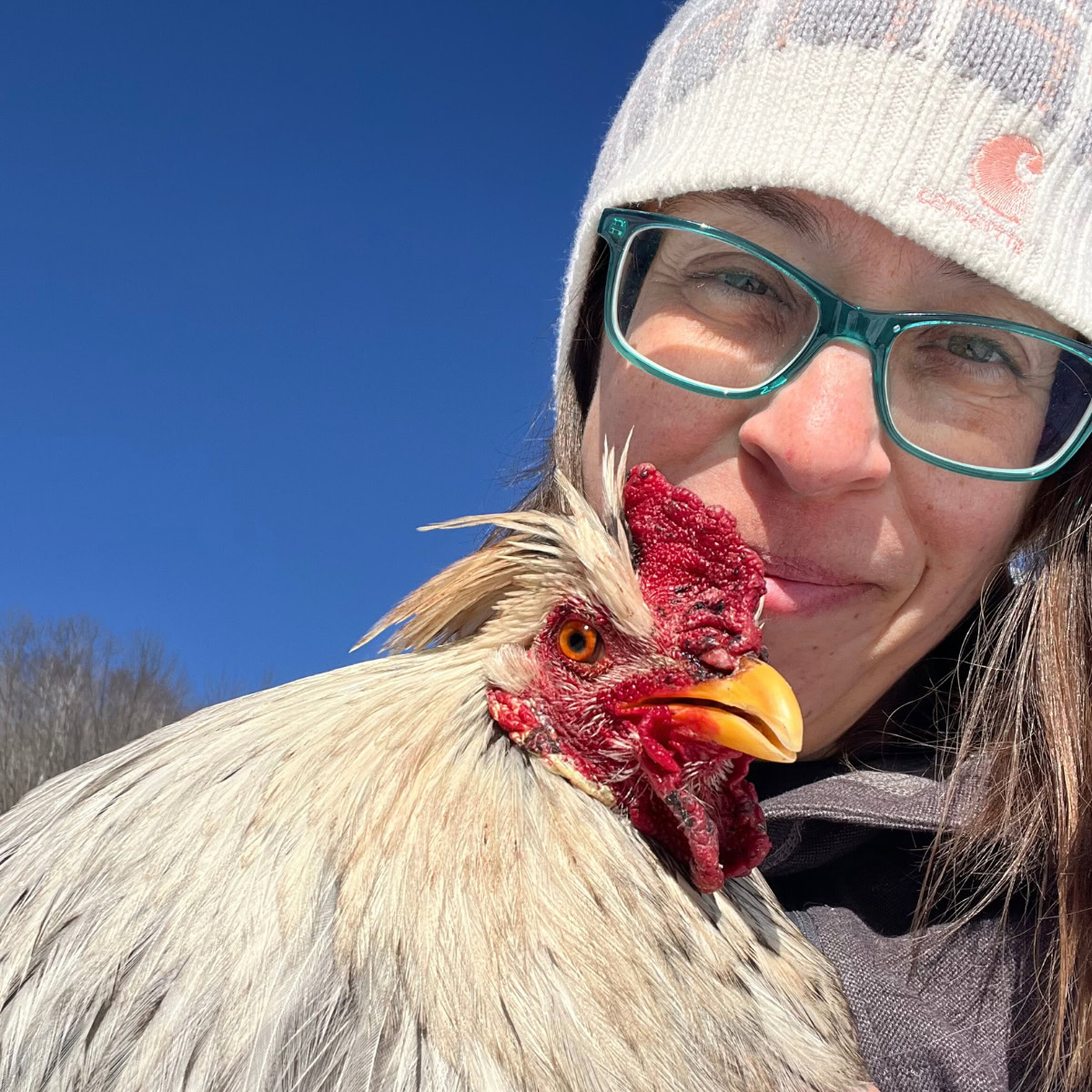
Make final decisions about which roosters to keep and proceed accordingly
Every year, my girls seem to hatch at least one clutch of chicks, whether with my blessing, or without it. Last summer, a beloved black hen named Susan disappeared until my son followed the sound of cheeping, to discover her sitting on a dozen newly-hatched chicks.
When you hatch your own chicks, chances are you're going to end up with about half of them being young roosters, and eventually, choices must be made. I usually put off my final decision about which, if any, new rooster gets to become part of the permanent flock until January or so. As breeding hormones kick in with the longer hours of daylight, any signs of aggression will start showing, and their personalities and physical traits have had a chance to develop. Going into breeding season, I want a nice slim flock with only the fellas that have traits and personalities I'd be glad to see passed on to future generations. So, at some point in January, chicken soup is bound to be on the menu.
Here are some things I consider, when making my final rooster selections.
Have a family meeting about poultry plans
As the kids get older, I like to make our decisions about raising poultry as a family. They're old enough to really have a stake in both the work, and the joy of raising chickens, ducks, geese, and turkeys. This is a family endeavor.
We had our family meeting a couple weeks ago, and unanimously decided to be done raising Icelandic chickens. We'll continue to treasure the Icelandics we have, of course, but we'll no longer be carefully planning our flock to ensure a pure line of Icelandics, with absolutely no possibility of cross-breeding in offspring. That means we won't be selling Icelandic chicks or hatching eggs going forward, and we won't be limiting our rooster selection to only pure Icelandics.
From now on, our flock will be a delightful mish-mash, and we're looking forward to adding some additional color to our egg baskets over the next year.
Place springtime orders for any day-old poultry and/or hatching eggs
Based on your poultry goals for the coming year, if you need any day-old poultry, or hatching eggs, it's generally a good plan to put those orders in early. If you're ordering from an online hatchery, the most desirable hatch dates can sell out quickly one they open for ordering, usually in late December or early January. Even local hatcheries can book up quite early, if they take reservations.
The kids and I are still making our decisions, but we'll probably order some new chicks directly from a hatchery later this month, and then order turkey poults through our local feed store once they open for orders in March.
I'm sure there are probably more "homestead" tasks I'm forgetting, but this definitely shows how full a season winter can be! It's also a great time to evaluate what worked well last year, what you might want to change, and how busy you actually want to be next summer.
Remember that not every year has to be the same. Children grow, health can change, and outside commitments can be different from year to year. This is such a good time to sit with that, and ask which parts of homesteading really bring you and your family the most joy. Which are the most profitable, and truly pay for themselves? These are great questions to take a little time with, before jumping into all those tasks of preparing for another summer growing season.
As you do that, know that I'm cheering you on from Maine!

Anna Chesley
Anna Chesley is a freelance writer living a homestead lifestyle, with a special love for family travel, old books, vintage skills, and seaside living. In addition to founding Salt In My Coffee, she runs the website, New England Family Life, as well as The 1800's Housewife, a website devoted to re-creating authentic 1800's recipes.
Comments
No Comments