
For many of us, making the switch from Columbus Day to Indigenous Peoples' Day is a big shift, for both head and heart. While not all states have officially embraced the change in holiday, it's a growing trend that has wide support.
Here are some practical ways to celebrate today!
1. Try an Indigenous Recipe
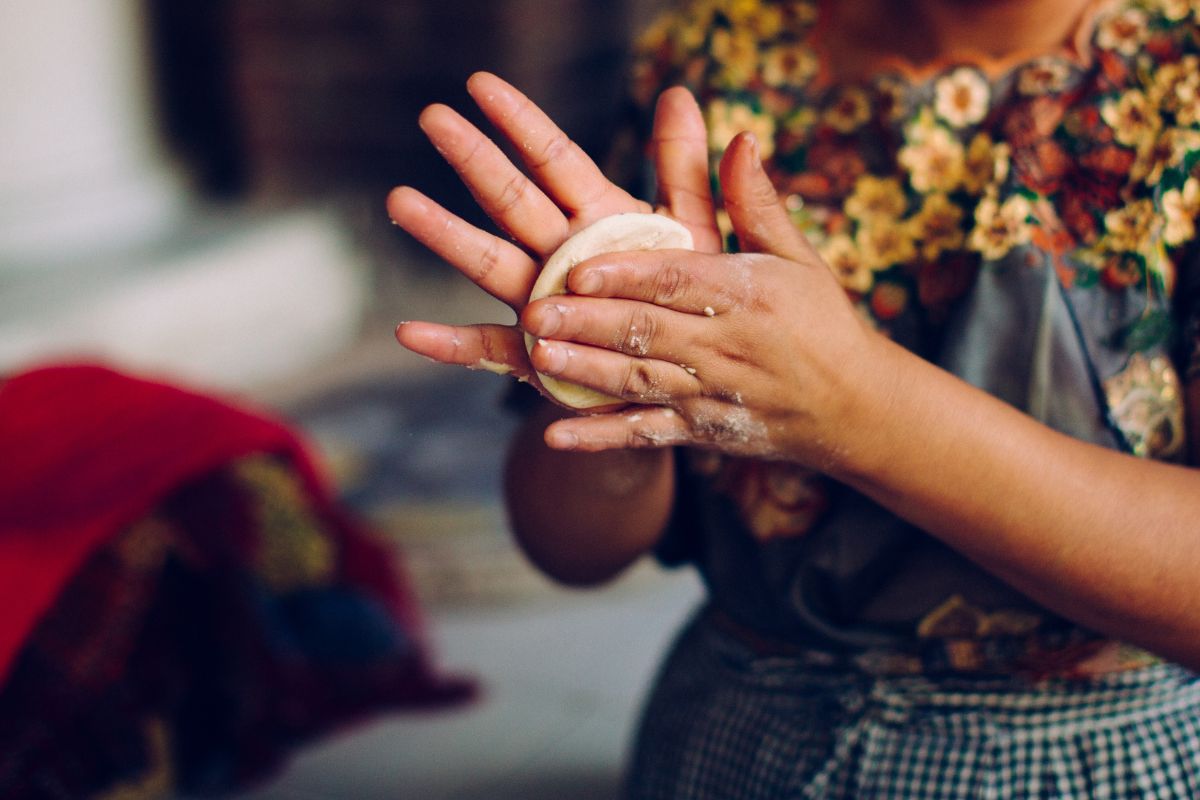
Making a new recipe is always a fun way to celebrate with your family. Here's a great list of cookbooks by indigenous authors. If your library doesn't have a copy of one you're looking for, try inter-library loan, and ask your library to add a few of these titles to their catalog!
2. Follow Indigenous Content Creators
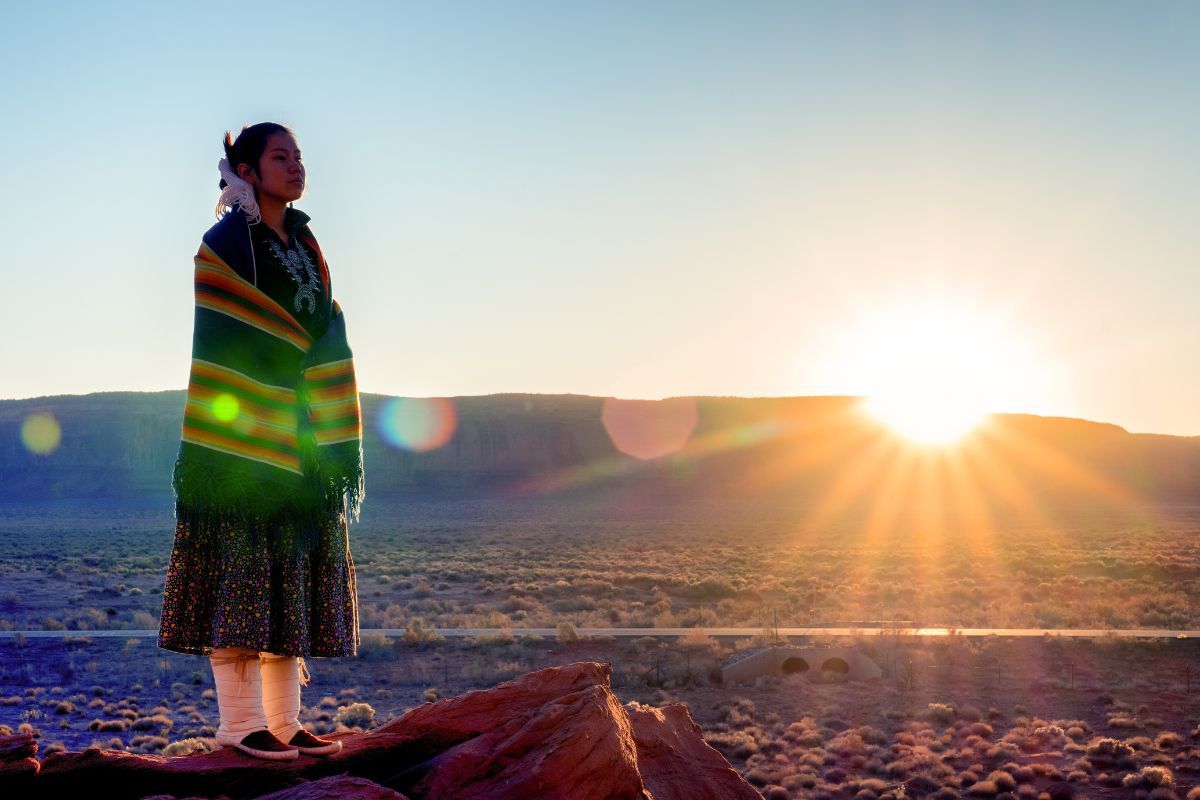
Whatever your lifestyle or interests, there's almost certainly an indigenous content creator sharing stories, inspiration, and style that you'll love.
This list is a great place to find your next favorite Instagram follow.
3. Support Indigenous Makers
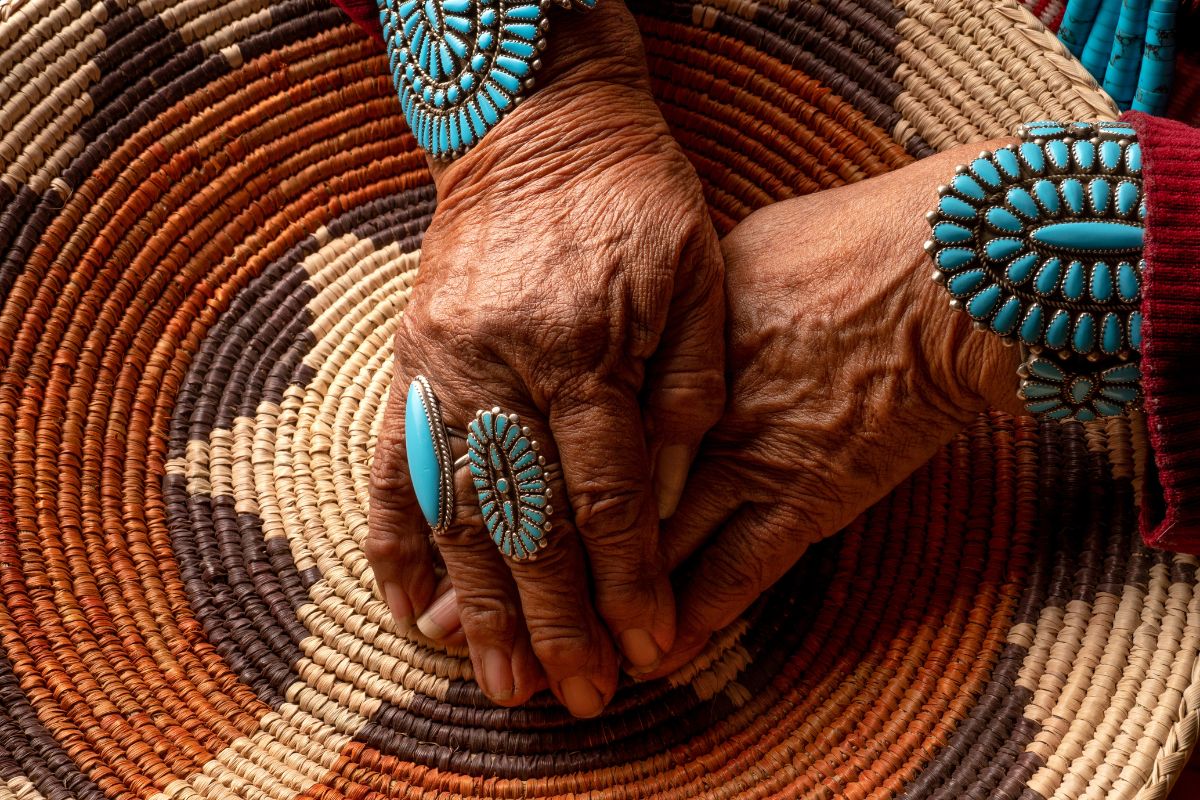
Beyond Buckskin is a great place to find Native American makers and fashion designers. Supporting small Native American owned businesses, rather than large companies offering copycat items, is a great way to get in the true spirit of the day.
4. Learn More About Columbus
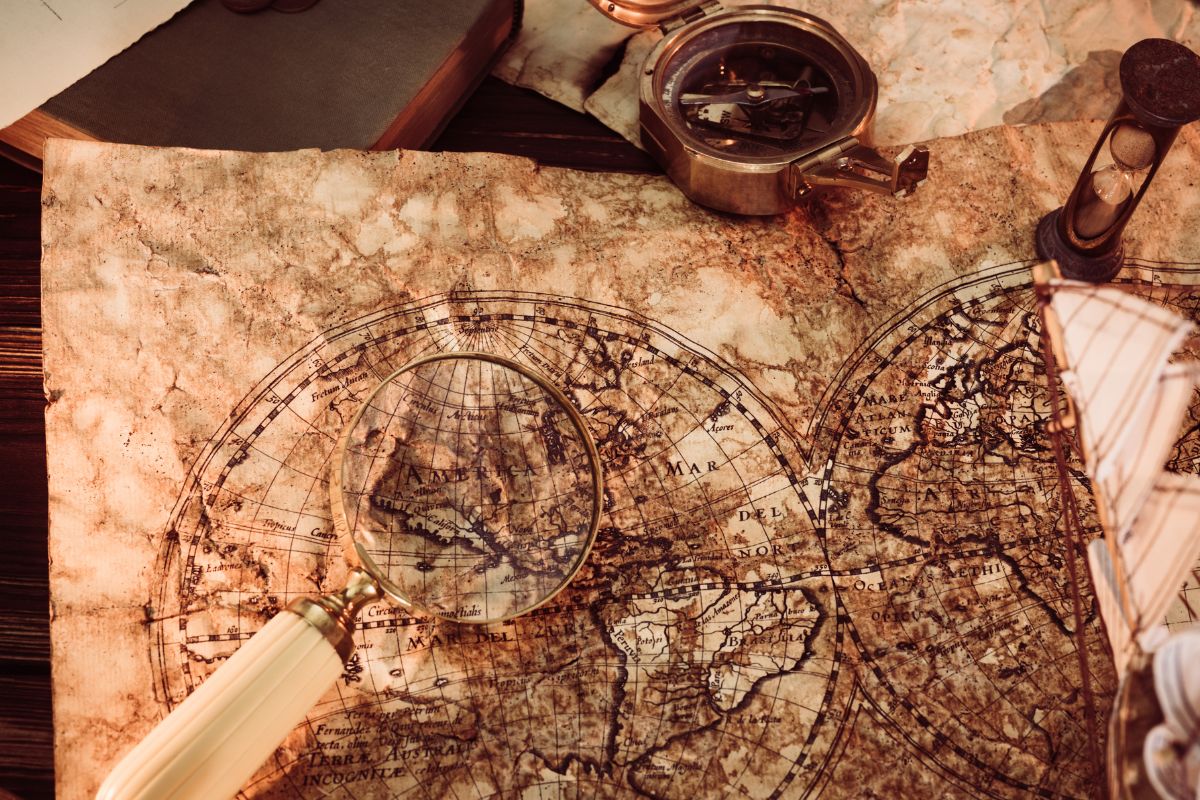
Learning more facts about Christopher Columbus can actually be a huge motivator, when it comes to making the choice to step away from celebrating "Columbus Day."
If this rubs you the wrong way, and you're skeptical about current books or articles that reference the horrible actions of Christopher Columbus and his crew, I'd really encourage you to set aside some time to read his own words. You can download his journal from his first voyage here.
5. Read a Book By An Indigenous Author
Here's a good list from Book Riot, of titles from Indigenous authors. And if you have yet to get your hands on the new release, My Powerful Hair, definitely put that on your must-read list. It's excellent.
6. Listen to the Stories Of Native American Boarding School Survivors
This can be a hard one, but realizing how much pain and death came from the hellish "Indian boarding schools" across the US and Canada, and within the lifetime and memory of our current population, is really an eye-opener. I found this article a good starting place.
7. Discover Your Own Indigenous Roots
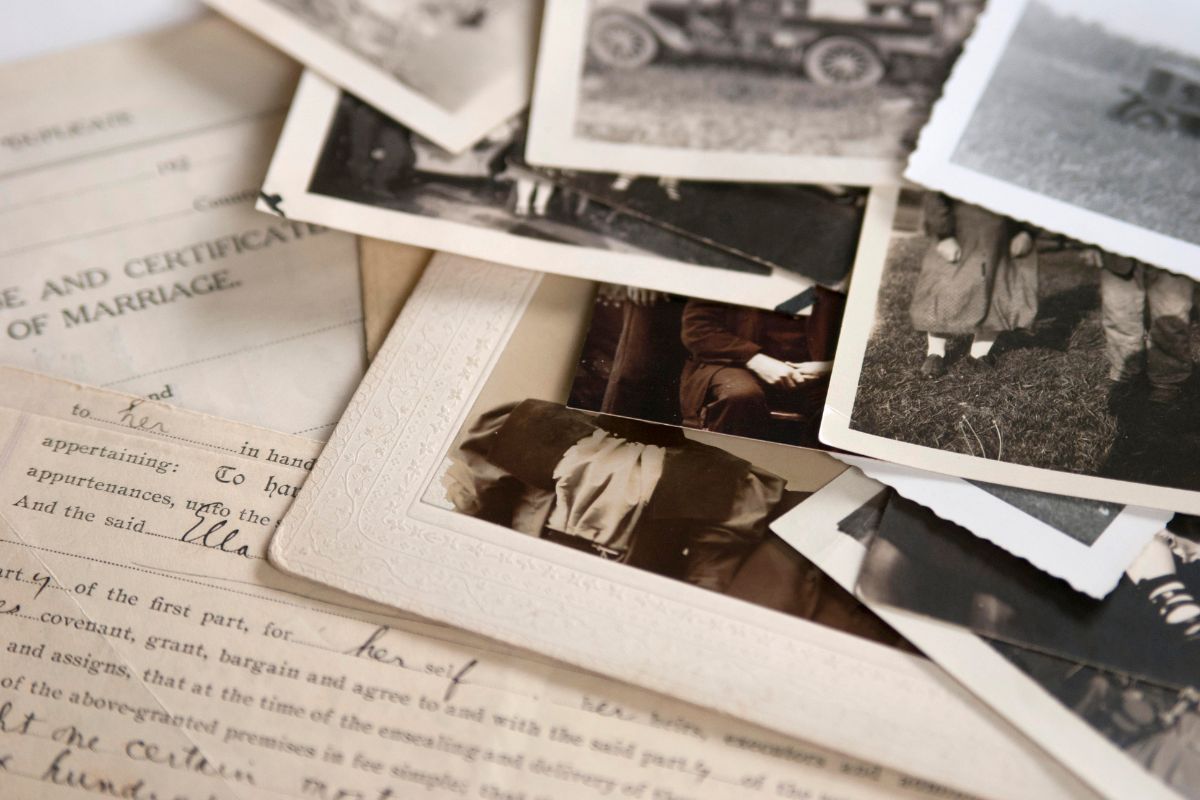
This can be a great time to get out any genealogical research you've done, or pull up that Ancestry.com account. Do you have any Native American ancestry yourself? It's a great time to learn more about it.
Another idea is to look at a map and learn about the tribes that your ancestors would have interacted with they first came to North America, if you're of European parentage.
8. Learn About the Nations That Thrived Where You Live
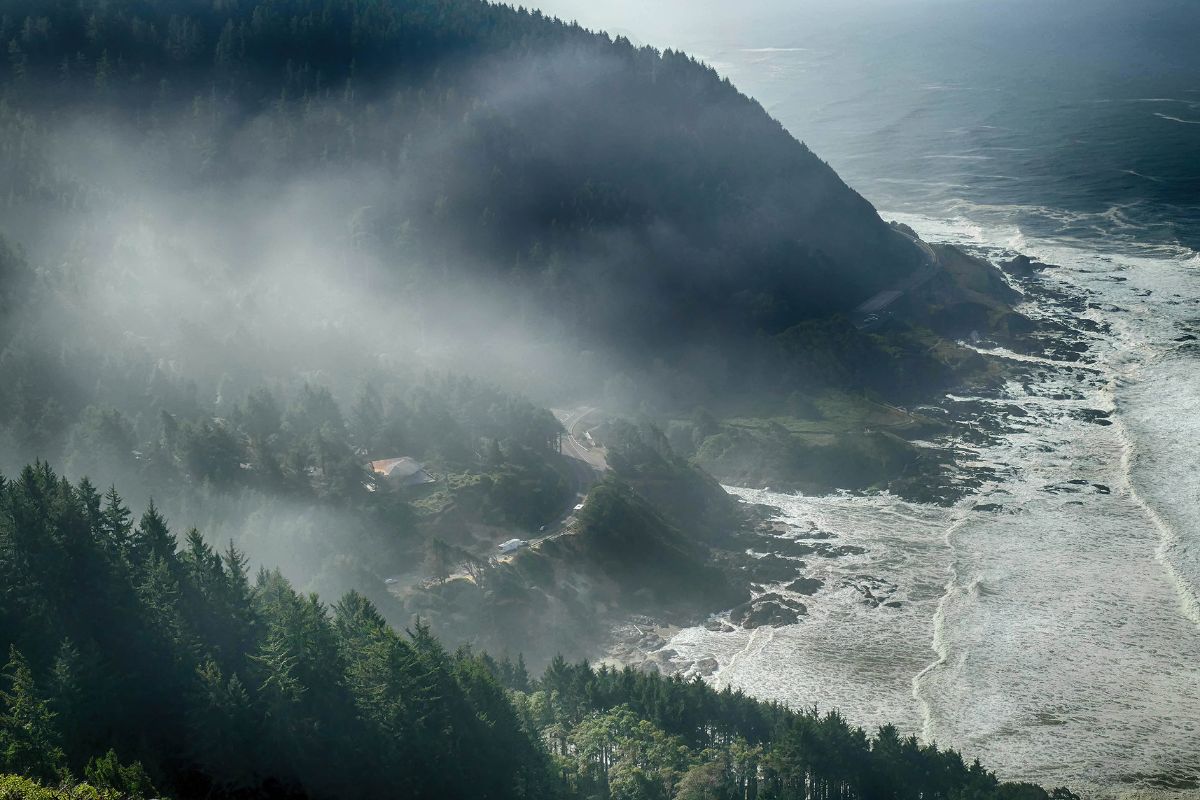
This is a fun and easy one! Go to Native Land, and put in your zip code. It will tell you the names of the tribes that once lived on the land where you are, and which languages they spoke.
8. Don't Ask Indigenous People to Re-Educate You
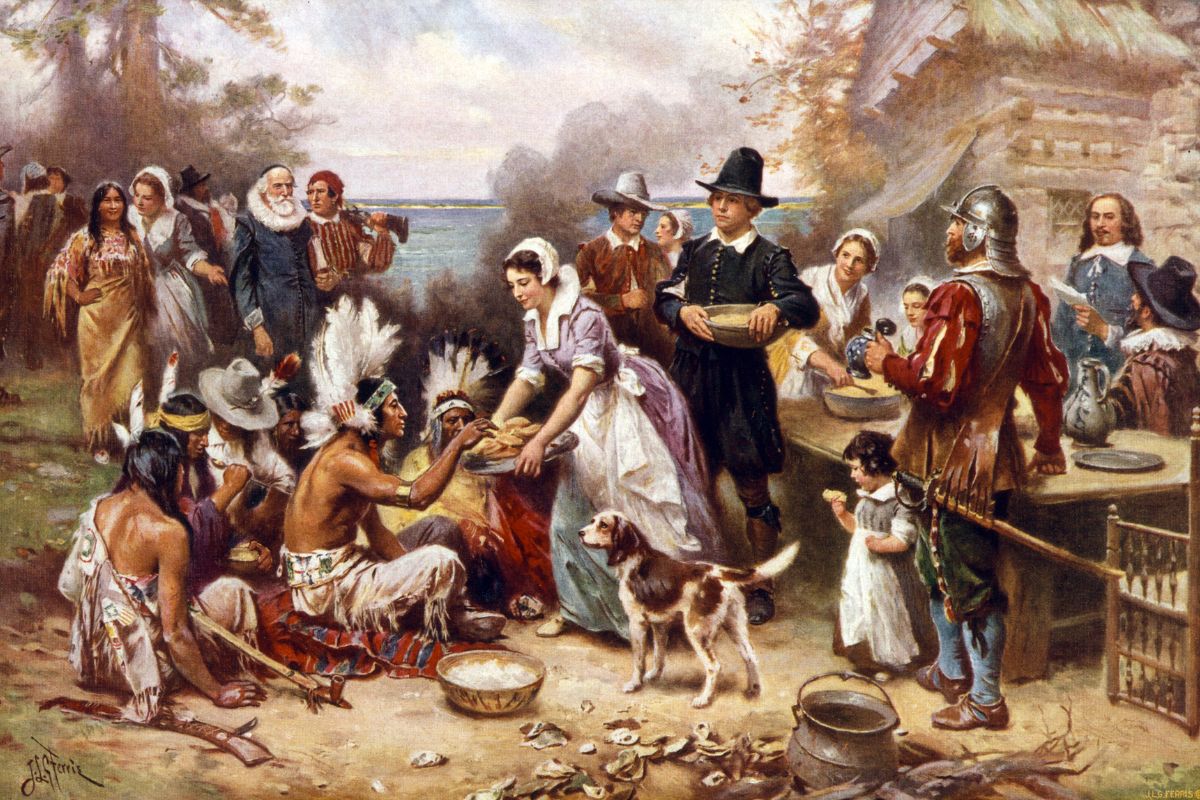
One last thing to keep in mind. It's very easy for people to mean well, but to create an unhelpful drain on people of indigenous heritage, by expecting them to offer an instant education on Indigenous Peoples' Day, or Thanksgiving. There are so many freely available resources online for anyone who want to learn more.
For example, this easily-available stock image above is SO full of embarrassing fallacies, it's hard to even know where to start when listing them all. (But I bet we could get a good list going in the comments!) For all of us who grew up with illustrations like this, and the historically-incorrect narratives that went with them, let's take responsibility for educating ourselves with the truth. First person documents like that journal of Columbus are a great place to start!

Anna Chesley
Anna Chesley is a freelance writer living a homestead lifestyle, with a special love for family travel, old books, vintage skills, and seaside living. In addition to founding Salt In My Coffee, she runs the website, New England Family Life, as well as The 1800's Housewife, a website devoted to re-creating authentic 1800's recipes.




Comments
No Comments